
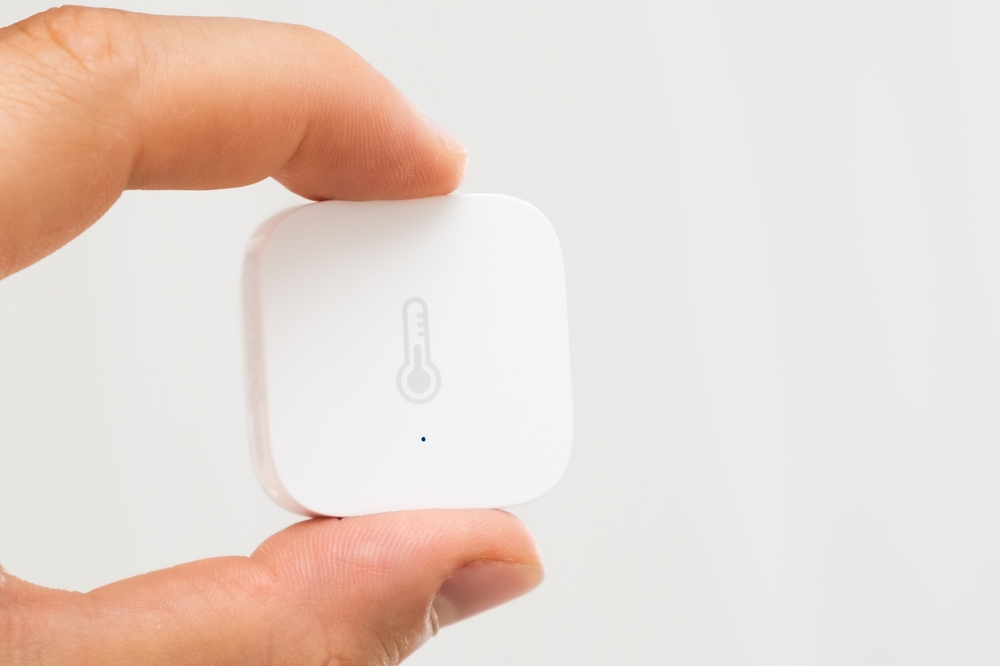
Your thermostat determines when your heating or cooling system turns on and off, but it’s only as accurate as the data it receives. That’s why where you place any wireless thermostat temperature sensor matters more than you might think. If the sensors are in the wrong spot, your HVAC system may heat or cool based on misleading information instead of maintaining an accurate temperature.
What’s the Difference Between a Thermostat and a Wireless Temperature Sensor
Before deciding where the right HVAC temperature sensor location is, you should understand how they work, as that will affect where you put them.
A traditional thermostat measures temperature from a single spot in your home. They’re typically installed in a hallway or on a central wall, and they’re also responsible for telling your HVAC system when to kick on and off. Wireless or remote temperature sensors are devices that work with a smart thermostat. They’re placed in different rooms to measure the temperature in those spaces individually, giving your thermostat a more accurate temperature reading across your entire house.
Smart systems such as Google Nest and Ecobee use these sensors to:
- Prioritize specific rooms at different times of day
- Balance temperatures across multiple floors
- Reduce hot and cold spots throughout your home
Why Thermostat Sensor Placement Matters
Without accurate temperature readings, your HVAC system won’t function properly. Your thermostat can’t accurately assess the temperature of your home if the remote temperature sensor or thermostat is placed incorrectly. This can cause your thermostat to think your home is warmer or colder than it really is.
This can lead to:
- Uneven temperatures between rooms and floors
- Overworked heating or cooling systems
- Higher utility bills
- Hot or cold spots that never seem to go away
Putting these wireless temperature sensors in the right spot ensures your system responds to real-world conditions rather than false readings caused by heat sources, drafts, or airflow. This is especially noticeable in multi-level homes, where warm air naturally rises, often causing your upstairs areas to feel hotter than downstairs. A problem that can be mitigated by placing a remorse temperature sensor upstairs.
The Best Places to Put a Remote Temperature Sensor
A Frequently Used Room
A good location for a thermostat temperature sensor is typically a central living space, like a living room or family room. These areas are high-traffic and reflect how your home is actually used day-to-day, making them a good spot to use as a metric for your home’s temperature, since they’re usually occupied, so you’ll be comfortable.
An Interior Wall
Interior walls provide more stable temperature readings than exterior walls, which can heat up or cool down quickly depending on the weather, causing your HVAC temperature sensor to register inaccurate readings. Placing a sensor on an interior wall helps make sure it reflects the actual temperature of your home.
Use the Right Height
Sensors should generally be placed about five feet off the ground. This helps capture the temperature at an average height. Placing a sensor too high may pick up rising heat, while placing it too low may result in artificially cooler readings. Having a sensor too low or too high can lead to inconsistent temperatures, since your HVAC may kick on when you don’t need it.
Best Sensor Locations by Room
Once you’ve determined the area of your home where you want to place the remote temperature sensors, the best place in that room depends on where temperature differences are most noticeable and on the temperature you want to set consistently.
Living Room: The Best Overall Option
The living room or main gathering space is usually the best place for a thermostat temperature sensor because it is the most commonly used area of the home and will give you a balanced reading for your entire home. Living rooms tend to be larger, more open areas, so making sure they’re properly heated or cooled will keep you more comfortable overall.
Bedrooms: Best for Nighttime Comfort
If you have temperature issues at night or want a specific feeling when you sleep, placing a remote temperature sensor in the bedroom can make a big difference. Cooler temperatures are better for sleep, and since bedrooms are typically on the upper level, putting a sensor there can ensure your HVAC kicks on before your room gets too warm.
Upstairs: For Multi-Level Homes
In homes with more than one level, having a wireless temperature sensor upstairs helps compensate for the natural rise of warm air that can make your upstairs feel warmer than the rest of your home. A sensor on the upper level helps your HVAC system better balance temperatures between floors and keep the temperature across your entire home more consistent.
Home Offices: Don’t Forget About Home Additions
A sensor in bonus rooms, like offices or sunrooms, helps maintain a consistent temperature all day long because these rooms tend to heat up during the day when the sun is out. Making sure your thermostat can measure the temperature in your office prevents situations where the rest of the home feels fine, but your workspace does not.
Basements: When it Makes Sense
A basement sensor is helpful if the space is finished and regularly used. If you use it as a family room or play room and want to make sure it isn’t too hot or too cold compared to the rest of your home, add a remote temperature sensor in your basement.
Where Not to Place Temperature Sensors
Knowing where not to place sensors is just as important as knowing where to put them.
Near Windows or Exterior Doors
Direct sunlight can heat the area near a remote temperature sensor quickly, while drafts from doors and windows can cool it down just as fast. This can cause the sensor to send inaccurate readings to your thermostat and can cause your HVAC system to take longer to cool your home.
In the Kitchen
Cooking appliances like ovens, stovetops, and even small countertop devices generate heat, making your kitchen feel warmer than the rest of your home. A sensor in the kitchen registering higher temperatures will cause your AC to overcool the rest of your home, creating a temperature imbalance.
In Bathrooms or Laundry Rooms
These areas are prone to humidity, steam, and temperature spikes from showers, dryers, and hot water use. Increased moisture can interfere with temperature readings, causing your HVAC system to respond to these short-term changes rather than the overall temperature of your home.
In Hallways or High-Airflow Areas
Hallways experience constant air movement from foot traffic, open doors, and nearby vents. This increased airflow doesn’t reflect your home’s actual temperature, making any reading unreliable for maintaining a consistent temperature.
Near HVAC Vents
One of the most common mistakes is placing sensors near supply or return vents, ceiling fans, or heat-generating electronics. These can distort temperature readings and cause your system to cycle incorrectly.
How Many Sensors Do You Need?
The number of wireless temperature sensors you need depends on your home’s size and layout.
For Small Homes or Apartments:
- One thermostat and an extra optional sensor
- Focus on the main living area for balanced comfort
For Two-Story Homes:
- Two to three sensors are recommended
- One upstairs and one downstairs helps reduce temperature imbalances between floors
For Large Homes:
- At least three sensors may be needed, maybe up to 5, depending on the layout.
- For homes with multiple floors, large open layouts, or finished basements
More sensors don’t always mean better results. Proper placement matters more than quantity.
Signs Your Sensor Is in the Wrong Location
If your thermostat temperature sensor is not placed in the right spot, you may notice issues like:
- One room or floor is always too hot or too cold
- Your HVAC system turning on and off frequently
- Temperature readings not matching how the home feels
- Higher energy without increased usage
These are strong indicators that your system is reacting to inaccurate temperature readings.
When Uneven Heating and Cooling Require a Professional
Using wireless thermostat sensors can help improve your home’s overall comfort, but some situations require expert support.
Contact a professional if:
- Uneven temperatures persist after positioning or adjusting sensors
- Your home has significant temperature differences between floors
- You need zoning solutions or airflow adjustments
- You’re unsure how to optimize your HVAC system for your home layout
When installed correctly, your HVAC system can respond more accurately, avoid unnecessary temperature swings, and keep your home comfortable year-round.
If you’re still experiencing uneven temperatures, Thornton’s team of HVAC experts can assess your system, provide maintenance, or help you find the right system for your home.