Most people are familiar with the basics of home fire safety, but protecting against carbon monoxide often gets forgotten, which leads to dangerous consequences. Carbon monoxide poisoning can happen at any time and can cause serious illness or even death. Because carbon monoxide is colorless, odorless, and tasteless, you cannot see or smell it building up in your home.
Since a lot of homes in the Chicagoland area have appliances that burn natural gas, without proper precautions, your home might be at risk for a carbon monoxide leak.
What Is Carbon Monoxide and Why Is It Dangerous?
Carbon monoxide is a gas that is produced when fuel sources like natural gas, gasoline, propane, wood, coal, or pellets do not burn completely. This gas is dangerous if inhaled and should be safely vented to the outside of your home. If it can’t escape because of a blocked vent, damaged equipment, or poor ventilation, carbon monoxide can leak into your living space.
Once inhaled, carbon monoxide interferes with your blood’s ability to transport oxygen. This can affect your brain, heart, and other vital organs very quickly.
How Does Carbon Monoxide Get into Your Home?
Carbon monoxide can build up in your home when a fuel-burning appliance malfunctions or when you have poor ventilation. Many everyday household items produce combustion gases as they operate, including water heaters, furnaces, wood-burning fireplaces, gas stoves and ovens, clothes dryers, lawn equipment, vehicles running in an attached garage, and portable generators.
If any of these items are in your home, a carbon monoxide detector is not a luxury. It’s a necessity for protecting your home and your family.
Symptoms of Carbon Monoxide Poisoning
Carbon monoxide poisoning symptoms can come on gradually and without warning. They are often mistaken for other illnesses, like the flu, so some people don’t get checked out until it is too late.
Early symptoms may include:
- Headaches
- Dizziness
- Nausea
- Fatigue
- Confusion
More serious symptoms include:
- Chest pain
- Trouble breathing
- Blurred vision
- Vomiting
- Loss of consciousness
What to Do If Your Carbon Monoxide Detector Goes Off
If your carbon monoxide alarm goes off, it’s important that you stay calm and follow these steps to keep yourself safe:
- Move everyone outside to the fresh air immediately
- Call 911 or your gas provider
- Do not re-enter the home until it has been declared safe
- Contact an HVAC professional to inspect your system before using it again
Never ignore a carbon monoxide alarm, even if you feel fine.
Where to Put Carbon Monoxide Detectors
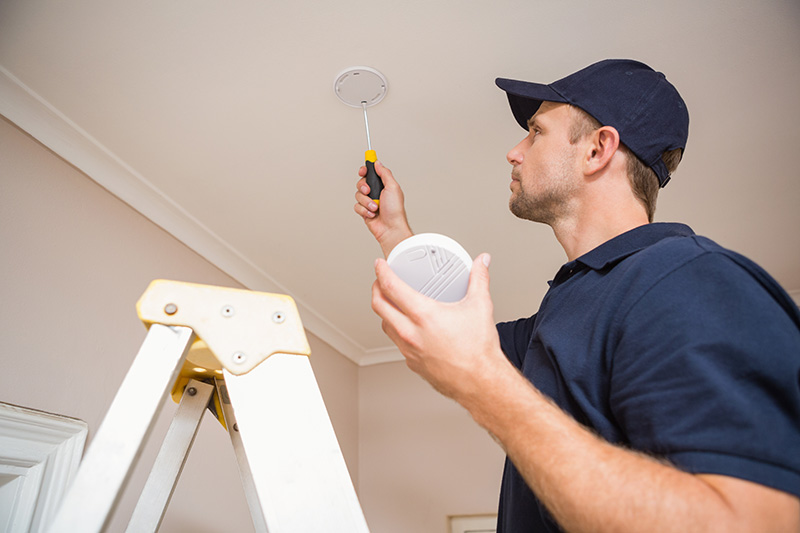
Knowing where to put a CO detector is just as important as having one. Putting them in the correct places ensures the alarm is within range of where a leak might occur and will alert you before the levels become dangerous. There are all-in-one fire and carbon monoxide detectors that will make finding the right detector easier.
Placing your detectors in the right place is the most important part of your home’s carbon monoxide safety measures. They should be installed:
- On every level of the home
- Near bedrooms and sleeping areas
- In hallways outside sleeping spaces
- At least 10–20 feet away from fuel-burning appliances
- Away from kitchens, bathrooms, and humid areas
Preventing CO Poisoning Starts with HVAC and Appliance Care
Understanding how to prevent carbon monoxide poisoning goes beyond installing detectors. Prevention starts with ensuring that the items in your home that produce combustion gases are functioning safely.
A well-maintained furnace or heating system will vent exhaust gases safely outside. Regular inspections by a professional technician can help detect issues that could allow CO to seep into your home.
Gas appliances in your home also need regular maintenance. Your water heater, stove, dryer, and fireplace should be properly vented, and any issues should be addressed promptly. Even small venting problems can lead to dangerous gas buildup over time.
If you use a fireplace or wood stove, chimney care is equally important. Your chimney should be inspected and cleaned at least once a year to ensure that gases can exit the home without obstruction.
Following these carbon monoxide safety tips will help keep you safe from any potential issues.
Feel Safer in Your Home with Help From Thornton
Although detectors give you an early warning, professional HVAC inspections give you peace of mind.
At Thornton Heating Services, Inc., our HVAC specialists can check your system for venting problems, combustion problems, and safety hazards. In addition, we can assist you in making sure your detectors are installed and placed for maximum protection.
Protecting your family begins with awareness, prevention, and proper equipment. If you want peace of mind and a safe home, call us today for a professional inspection.